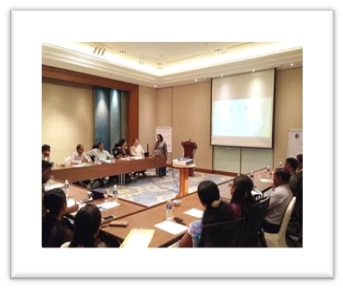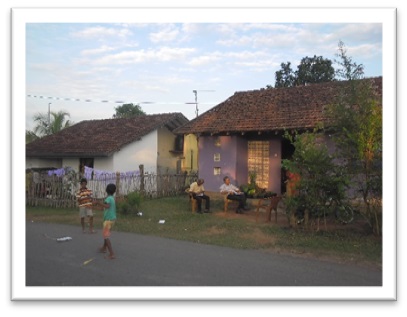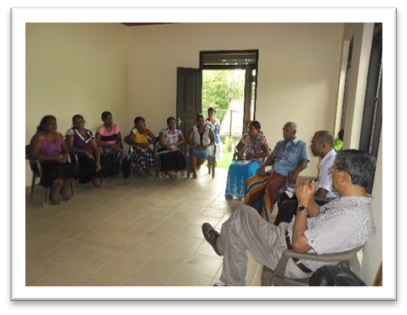
This is a detailed study of the technical, legal and socio-cultural complexities involved in communicating the rapid detection of an undersea earthquake and a possible tsunami to jurisdictional agencies and response partners, including the grass roots communities that are exposed to the Tsunami risk in Sri Lanka. Parallel to the field study, a limited literature review was conducted in order to document some of the related research conducted in Sri Lanka. This literature has documented the key developments that have necessitated a people- centred early warning system. In this regard, the increasing exposure of a large coastal population to Tsunami hazard due to demographic, ecological, economic and social dynamics has been highlighted in the literature. The main objective of the present study was to investigate and document various aspects of the interface between upstream and downstream aspects of the early warning system, with a focus on the downstream components and identify strengths, weaknesses, gaps and remedies needed to address the weaknesses and the gaps.